Top Tips for Maintaining Your Welding Electrode Oven
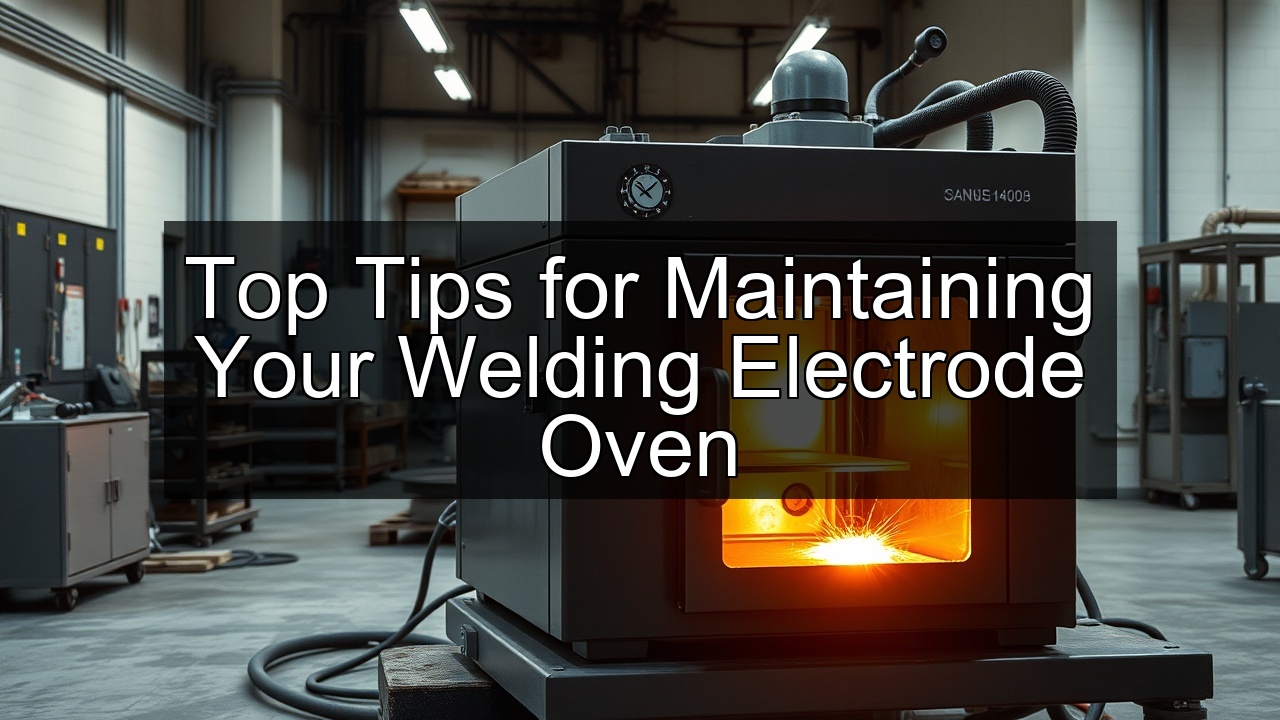
Understanding the Importance of a Welding Electrode Oven
The Role of Electrode Ovens in Welding
A welding electrode oven serves a critical role in ensuring the quality of welds. These ovens provide controlled heating that keeps welding electrodes dry and ready for use. Electrodes absorb moisture from the air, which can lead to defects in welds, such as porosity or cracking. By maintaining the welding electrodes at the appropriate temperature and humidity levels, an electrode oven enhances the overall performance of the welding process. Many manufacturers design these ovens with specific features that cater to various welding requirements, ensuring that they meet the demands of different materials and welding techniques.
In addition to moisture control, welding electrode ovens play a role in the overall safety of the welding process. By ensuring that electrodes are stored at the correct temperatures, the risk of electrode degradation is significantly reduced. This not only protects the electrodes themselves but also ensures that welders can achieve consistent, high-quality results in their work.
Why Proper Storage Matters for Flux and Weld Quality
Proper storage of welding electrodes not only preserves their integrity but also significantly impacts the quality of the welds produced. Moisture can compromise the flux coating on electrodes, leading to poor arc stability and an increased likelihood of defects during welding. An effective welding electrode oven prevents this absorption by maintaining the right temperature and humidity levels, which ultimately influences how well the weld penetrates and adheres. This storage method is particularly vital for high-performance electrodes used in applications requiring precision, such as TIG welding.
Moreover, the type of flux in an electrode is designed for specific welding applications, and any degradation due to improper storage can affect the chemical reactions that occur during the welding process. For instance, certain fluxes are designed to produce a protective gas shield during welding, and if moisture has compromised the flux, it may fail to perform effectively. This highlights the necessity of a welding electrode oven as an essential component in a welder's toolkit, safeguarding the quality of both the electrodes and the welds produced.
Consistent quality in welding comes from meticulous attention to electrode storage, making the welding electrode oven an indispensable tool for any welding operation. Additionally, understanding the specific storage requirements for different types of electrodes can further enhance welding performance and safety, reinforcing the importance of using an electrode oven properly.
Common Brands and Their Features: Lincoln Electric and Beyond
Several brands manufacture welding electrode ovens, with Lincoln Electric being one of the most recognized. Lincoln Electric ovens are known for their robust construction and reliable temperature controls, making them ideal for professionals in the welding industry. These ovens often feature digital displays for precise temperature monitoring and adjustments, as well as built-in safety mechanisms that prevent overheating.
Other brands, such as Miller Electric and ESAB, offer various models with unique features tailored to specific welding needs. For example, Miller Electric may provide portable units designed for fieldwork, while ESAB ovens often include advanced insulation technology to improve energy efficiency. These options range from portable units to larger, stationary models that can accommodate significant capacities, including 450lb options. Understanding the features of different brands helps customers choose the right welding electrode oven that meets their specific requirements and enhances their welding capabilities.
Additionally, many manufacturers offer warranties and customer support services that can be invaluable for troubleshooting and maintenance, further ensuring the longevity and reliability of the equipment. When selecting a welding electrode oven, it is beneficial to consider not only the features of the product but also the reputation and support available from the manufacturer.
Essential Maintenance Tips for Your Welding Electrode Oven
Regular Cleaning Practices for Optimal Performance
Regular cleaning is essential for maintaining the efficiency of your welding electrode oven. Dust, debris, and other contaminants can interfere with the oven's ability to regulate temperature effectively. Start by unplugging the oven and wiping down the exterior with a damp cloth to remove any accumulated dust. For the interior, use a soft brush or vacuum to eliminate any particles that may have settled. Periodically check the heating elements and temperature sensors for any signs of buildup that could affect performance.
It is also important to ensure that no food particles or other foreign materials are present, as these can not only interfere with temperature regulation but also pose a fire hazard. Keeping the oven clean not only prolongs its life but also ensures that your welding electrodes remain in optimal condition, ready for use whenever needed. Regular maintenance checks can help identify potential issues before they escalate, aiding in the longevity of your oven.
Checking Temperature Controls: Ensuring Accuracy
Temperature controls are the heart of a welding electrode oven. Accurate temperature settings ensure that the electrodes remain dry and perform successfully during welding. Regularly inspect the thermostat and heating elements for any inconsistencies. Use a reliable thermometer to validate the internal temperature against the set parameters. If discrepancies arise, recalibrate or replace faulty components as necessary.
Maintaining precise temperature control is vital for achieving high-quality welds and preventing issues associated with moisture, such as inconsistent arcs or weld defects. In some models, you might find digital systems that provide alerts when the temperature falls outside the desired range, which can be a helpful feature. Prioritize this aspect of maintenance to uphold the performance standards of your welding operations, and remember to document any adjustments or repairs made for future reference.
Inspecting and Replacing Electrical Components
The electrical components of your welding electrode oven require periodic inspection to ensure they function correctly. Check for frayed wires, loose connections, or signs of overheating, as these issues can lead to reduced efficiency or complete failure of the oven. If you notice any anomalies, replace damaged welding electrode drying oven parts promptly to avoid further complications.
Consult the manufacturer's guidelines for detailed instructions on how to safely perform these inspections and replacements. Additionally, consider investing in a multimeter for more comprehensive electrical diagnostics, which can help in identifying issues that are not immediately visible. By maintaining the electrical integrity of your welding electrode oven, you ensure consistent performance and minimize the risk welding accessories of unexpected downtime during critical welding tasks.
Best Practices for Storing Welding Electrodes
Optimal Storage Conditions: Humidity and Temperature
Storing welding electrodes properly is crucial for maintaining their quality and performance. The ideal storage conditions involve keeping the electrodes in a low-humidity environment with a controlled temperature. High humidity levels can lead to moisture absorption, which negatively affects the electrode's flux coating. Set the welding electrode oven to the manufacturer-recommended temperature, usually between 250°F and 300°F. This range prevents moisture buildup and keeps the electrodes ready for immediate use.
Regularly monitor the conditions inside the oven to ensure optimal performance, and adjust settings as necessary to accommodate changes in ambient humidity or temperature. Some advanced models feature humidity controls or sensors that provide real-time monitoring, alerting users to any fluctuations that may compromise electrode integrity. Implementing these advanced features can further enhance storage conditions and extend the life of your electrodes.
Organizing Your Electrodes: Tips for Easy Access
An organized storage system for welding electrodes enhances efficiency during welding tasks. Labeling electrode containers clearly helps identify the types and specifications quickly, saving valuable time when selecting the right electrode for a job. Consider using racks or bins within the welding electrode oven to separate different electrode types or sizes. This organization allows for easy access and minimizes the risk of mixing up electrodes, which could lead to subpar welds.
Additionally, consider developing a tracking system that includes the usage history of each electrode type. This practice can help in planning replenishment orders and in recognizing which electrodes are most frequently used, allowing for better inventory management. Efficient organization not only streamlines workflow but also ensures that your electrodes remain in excellent condition, ready for immediate use whenever needed.
Choosing the Right Oven: Capacity and Weight Considerations (450lb Options)
Selecting the appropriate welding electrode oven involves considering factors such as capacity and weight. For larger welding operations, ovens with a capacity of 450lb or more may be necessary to accommodate a greater volume of electrodes. Evaluate your welding needs and choose an oven that can store the required number of electrodes without overcrowding.
Additionally, consider the oven's weight for portability or stationary use. A lightweight, compact design may be ideal for smaller workshops, while heavier models offer stability and durability for more extensive operations. Moreover, consider features that enhance mobility, such as built-in wheels or handles, if your operation involves moving the oven between different work sites. Making a careful selection ensures that your welding electrode oven meets your specific requirements and enhances your welding efficiency.
Troubleshooting Common Issues with Welding Electrode Ovens
Identifying Signs of Wear and Tear
Welding electrode ovens, like any equipment, experience wear and tear over time. Look for signs such as inconsistent temperature readings, unusual noises, or visible damage to the oven's exterior. If the oven fails to maintain the set temperature or takes longer to heat up, these issues may indicate a need for maintenance or replacement parts. Regularly inspect the oven’s components for signs of wear, such as cracks or corrosion, which can compromise its performance. Early identification of these problems allows for timely repairs, ensuring your welding electrode oven operates at peak efficiency and prolongs its lifespan.
Additionally, consider maintaining a log of maintenance activities and any issues encountered. Documenting these aspects can help track patterns of wear or performance degradation, making it easier to anticipate future maintenance needs and avoid unexpected breakdowns.
When to Consult the Manufacturer or Customer Support
If troubleshooting efforts do not resolve issues with your welding electrode oven, it’s time to consult the manufacturer or customer support. Reach out for guidance on specific problems or repairs that may require professional assistance. Manufacturers often provide valuable resources, including troubleshooting guides and maintenance tips, that can help you address common issues effectively.
Additionally, customer support can assist in diagnosing problems that may not be immediately apparent, allowing you to return your oven to optimal working condition. Taking this step ensures that you maintain the highest standards of performance and safety in your welding operations. It's also beneficial to have your model's serial number and purchase information handy when contacting support, as this can expedite the assistance process.
Understanding Common Problems with TIG and Flux
Welding electrode ovens can face specific problems related to TIG welding and flux. For example, if electrodes intended for TIG welding absorb moisture, they may lead to contamination and poor arc stability. Similarly, issues with flux-coated electrodes can arise if the coating degrades due to improper storage. Familiarize yourself with these common problems to take proactive measures in maintaining your welding electrode oven.
Regularly inspect the electrodes for signs of moisture or damage, ensuring that they are stored in optimal conditions. It may be beneficial to conduct routine checks on newly received supplies to establish baseline quality standards. Additionally, ensure that the oven is functioning optimally to prevent these issues. By addressing potential problems early, you can maintain high-quality welds and extend the life of your electrodes, ultimately contributing to the overall success and safety of your welding projects.